The Case for Leaving the Theater Before 9:30
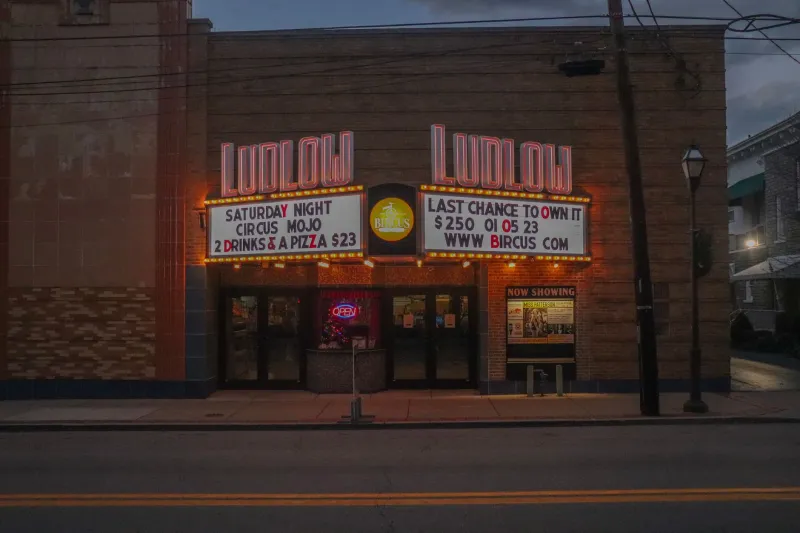
Going out to the movies used to mean surrendering the whole evening. You found parking, sat through twenty minutes of trailers, watched a two-hour-and-twenty-minute story, and then drove home wondering where the night went. In 2026, a quieter countertrend is taking hold in US theaters: the tight, sub-two-hour release. It is not a new invention, but it is starting to feel like a small luxury again.
The appeal is easy to understand. A 90-minute movie does not ask you to rearrange your week. It asks for a focused block of time, a bucket of popcorn, and a willingness to leave the house. You can still get dinner, still be home before the neighborhood gets quiet, and still remember what you saw the next morning. For audiences who are tired of every entertainment option turning into a commitment, that is not a compromise. It is the point.
A Clean Exit Is the Draw
There is a particular pleasure in walking out of a theater while the sun is still doing something interesting. The credits roll, the lights come up, and the night is not over. You can talk about the movie on the sidewalk. You can stop for a drink or a slice of pie. You can go home and read. That clean exit is part of the design.
Long movies can be wonderful, of course. Some stories need room to breathe. But the conventional wisdom for years has been that bigger, longer, and louder automatically means more serious. The 2026 slate is pushing back on that assumption. A number of smaller releases have been built around lean pacing, and audiences are responding to the discipline of it. When a film is 92 minutes long, every scene has to earn its place. That can make for a more concentrated kind of pleasure than a sprawling runtime that occasionally loses its nerve.
Lean Pacing Is a Design Choice
Short does not mean slight. A well-made 90-minute movie often feels more deliberate than a bloated two-hour one because the filmmakers cannot afford to wander. The setup arrives quickly. The middle has momentum. The ending lands before the audience starts checking the time. That is not a lack of ambition. It is editing as a form of respect.
You can feel the difference in the first ten minutes. A lean film tends to establish its world with a few confident strokes rather than a long explanatory overture. It trusts the audience to keep up. For people who spend their days swimming through notifications and open tabs, that kind of clarity can feel almost restorative. You sit down, the story starts, and for an hour and a half there is only one thing to follow.
2026 Releases Making the Case
This year's crop of shorter theatrical releases has been especially good at showing how flexible the format can be. A 94-minute thriller called "The Quiet Floor" uses a single office building and a handful of characters to build tension without a single wasted detour. A brisk 88-minute comedy, "Second Breakfast," gets in and out before its central joke has time to wear thin. And a 97-minute family drama, "Harbor Lights," manages to cover three generations without turning into a miniseries.
These are not tiny films with tiny ideas. They are compact films with clear intentions. That distinction matters. The best short features do not feel like they were trimmed down from something longer. They feel designed for the time they take. That is why they are resonating with US audiences who want a complete story without an all-night commitment.
Planning a Short-Film Night That Feels Intentional
The easiest way to make a short movie night feel special is to stop treating it as a last-minute default. A little planning goes a long way, and it does not have to be elaborate. Think of it as a small ritual rather than a big production.
Start by choosing a total program that runs under two hours. That might mean one 90-minute feature, or a 70-minute feature paired with a 15-minute short. Check runtimes before you buy tickets, not after. If you are going to a theater, look for reserved seating so you are not arriving early just to claim a good spot. Pick a showtime that leaves a buffer on both sides. A 7 p.m. start is often ideal: early enough to feel like a night out, late enough to feel like an occasion.
Then decide what comes after. The post-movie walk is underrated. So is a shared snack that is not from the concession stand. A short film night works best when the movie is the center of the evening, not the entire evening. That is the difference between intentional and rushed. You are not squeezing in a movie before bed. You are building a small, complete evening around one clear pleasure.
The Small Ritual of Going Out
There is a reason a 90-minute movie can make going out feel special again. It restores a sense of proportion. You get the big screen, the shared laughter, the dark room, and the collective hush. You also get to go home at a reasonable hour. For a lot of people, that combination is not nostalgic. It is simply better.
At Neqol, we like the idea of entertainment that respects your time without treating it as a productivity problem. A short film is not a lesser film. It is a different shape of experience, and this year it happens to fit the shape of a lot of evenings. If you have been meaning to go out more, start with something under 100 minutes. Leave before 9:30. See how the night feels when it still belongs to you.