One Corner, Not a Whole Room: A Calmer Apartment Experiment
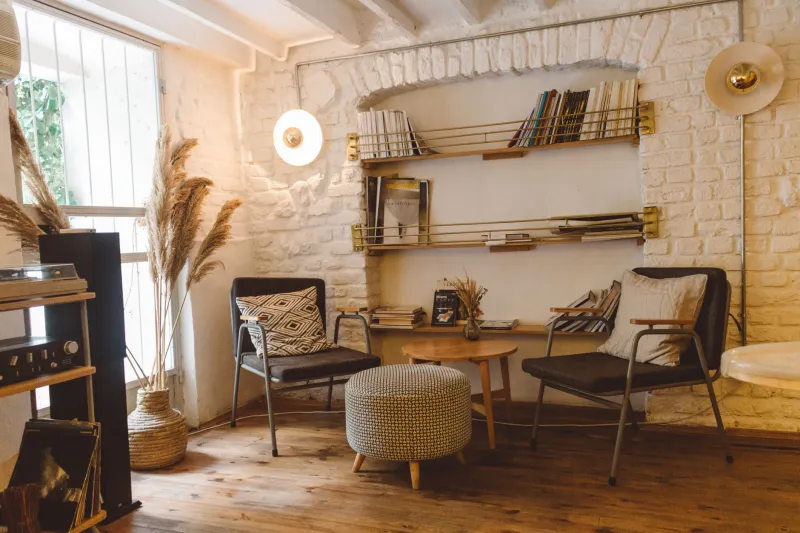
Most apartment advice starts with the whole room. Paint the walls, replace the sofa, add a rug, layer the lighting, and suddenly your Tuesday is gone. The result can look nice, but it can also feel like you are managing a showroom instead of living in a home. The "One Good Corner" rule takes the opposite approach. You pick one small, deliberate spot and make it work. Everything else can stay exactly as it is.
The rule is simple: choose a corner that already exists. It might be the patch of floor beside a bookshelf, the end of a kitchen counter, a windowsill wide enough for a mug, or the space between the couch and the wall. Give that corner one clear job. It can be for reading, listening to music, or displaying a few objects you actually like. The point is not to redecorate. The point is to create a small pocket of intention in a space that may otherwise be doing five things at once.
Why One Corner Works
A whole-room makeover asks for money, time, and a firm opinion about throw pillows. A single corner asks for much less. It is also easier to live with. When you focus on one small area, you can notice how you actually use it. Does the light feel good in the morning? Is there a place to set down a cup? Does the chair invite you to sit, or does it just hold laundry?
This is a design experiment, not a renovation. It is especially useful for renters, people in small apartments, and anyone who feels overstimulated by their own stuff. A corner gives you permission to edit without declaring war on the rest of the room. It is a quiet antidote to the feeling that every surface needs a styling moment.
A 30-Minute Reset Plan
You do not need a free weekend. You need half an hour and a willingness to move three things.
Minutes 0–5: Clear the corner. Take everything off the floor, shelf, or surface. Put it in a basket or on the bed. Do not organize it yet. Just clear the zone.
Minutes 5–10: Wipe and assess. Dust the surface. Look at the light. Notice the outlet situation. Ask yourself what you would realistically do here: read for fifteen minutes, listen to a record, set down your keys, or look at something pleasant while you drink coffee.
Minutes 10–20: Choose one anchor. A chair, a small shelf, a side table, or a lamp. One anchor is enough. If you already own something that fits, use it. If not, wait until you know what the corner needs. Do not buy a whole suite of matching accessories.
Minutes 20–25: Add one layer. A cushion, a basket for library books, a small tray for headphones, or a framed print. One layer keeps the corner from looking unfinished without turning it into a display case.
Minutes 25–30: Sit in it. Actually sit down. If you do not want to stay for five minutes, the corner is not done. Adjust the lamp, move the chair an inch, or take something away. The test is comfort, not photographs.
Renter-Friendly Moves for 2026
Renters have to be clever about damage-free design. A plug-in wall sconce can add warm light without an electrician. Removable adhesive hooks can hold a small frame or a lightweight mirror. A freestanding bookshelf or a slim leaning shelf gives you display space without drilling. A washable throw rug can define the corner without touching the floor underneath.
Lighting matters more than square footage. A small table lamp with a warm bulb can make a corner feel finished in a way that overhead lighting never will. If you have a window, resist the urge to cover it with heavy curtains. A sheer curtain or a simple roller shade keeps the light soft and the corner calm.
For listening corners, a small Bluetooth speaker and a tray for your phone can be enough. For reading corners, a basket for library books and a side table for a mug will do more than a towering bookshelf. For display corners, choose three objects and rotate them when you get bored. The corner should feel alive, not sealed in place.
Where to Shop Without Overbuying
Affordable US sources are everywhere, but the trick is to shop with a specific corner in mind. IKEA is reliable for slim shelves, simple lamps, and inexpensive frames. Target has good basic baskets, throw blankets, and table lamps under $50. HomeGoods and TJ Maxx are useful for one-off chairs, mirrors, and ceramic pots, though stock varies by store. Thrift stores and Facebook Marketplace are ideal for solid wood side tables and reading chairs that have already proven they can survive real life. Etsy is better for a single piece of art or a handmade tray than for filling a whole cart.
Set a small budget before you go. Twenty to sixty dollars can do a lot if you already own the anchor. The goal is not to buy a new personality for your apartment. The goal is to make one spot feel considered. If you bring home five things and none of them have a job, you have missed the point.
What the Corner Is Really For
A good corner is not really about decor. It is about giving yourself a place to land. In a busy apartment, a single chair with a lamp and a small table can become a signal: this is where I stop scrolling. This is where I read one chapter. This is where I listen to an album instead of letting it play in the background.
At Neqol, we like design ideas that lower the temperature of a room instead of raising it. The One Good Corner rule is not a trend to keep up with. It is a small, repeatable experiment. Pick a corner. Give it one job. Sit in it for five minutes. If it feels calmer, you have already done the work.