Last Call, Softly: What a Store’s Playlist Tells You at Closing Time
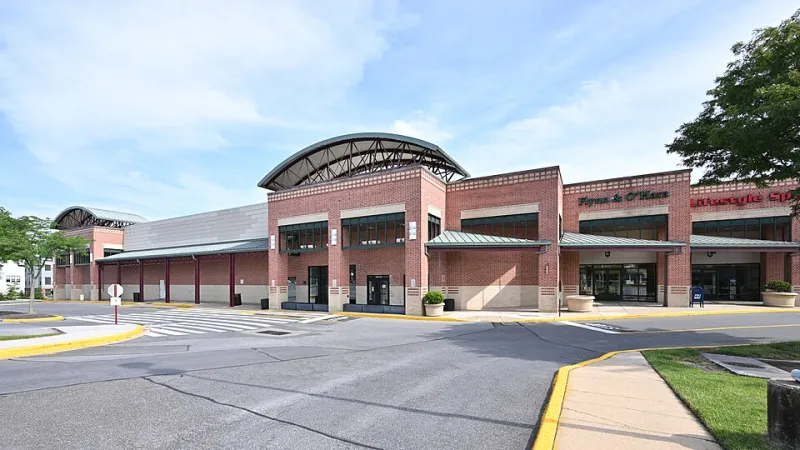
Photo: G. Edward Johnson, CC BY 4.0, via Wikimedia Commons
At 8:57 on a Tuesday night, a bookstore two blocks from my apartment was still pretending it wasn’t almost over. The lights above the fiction section had gone warm and low. A employee was straightening a display of paperback mysteries with the focus of someone arranging a dinner table. And the music — which had been brisk, mildly electronic, and entirely forgettable for the previous hour — had shifted into something slower. Acoustic guitar. A voice that sounded like it had nowhere else to be.
Nobody had said the word “closed” yet. But the room had already begun to say it.
That small shift is what I started listening for. Not the official announcement, not the click of the lock, but the playlist’s quiet change of heart. Stores have all kinds of ways of moving us toward the door. Some dim the lights. Some repeat a script. Some just turn the volume down until the silence does the work. The music is often the most designed part of the whole goodbye, and the least discussed.
The Bookstore: A Fade, Not a Sweep
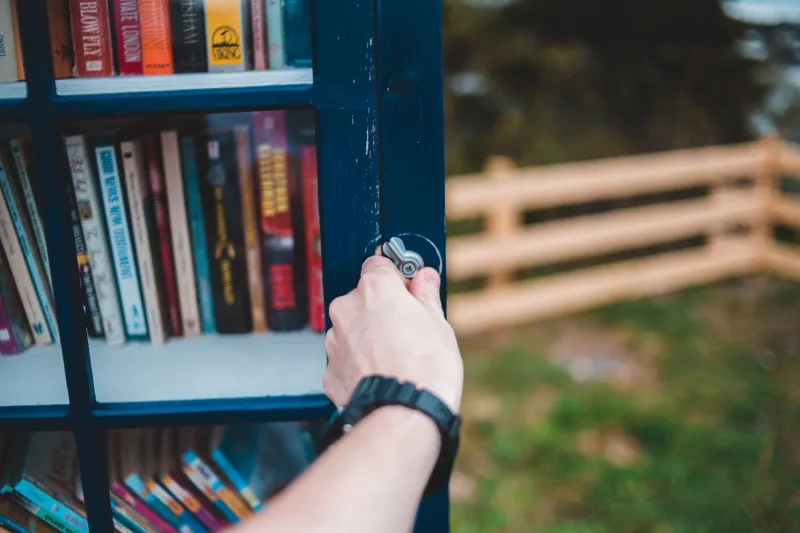
The bookstore was the gentlest of the three stops I made over a week of closing times. Its exit music felt like a suggestion rather than a signal. The tempo dropped by maybe ten beats per minute. The genre moved from contemporary indie pop into soft folk and older jazz. The lighting changed in zones — first the front tables, then the back shelves, leaving the register area the brightest spot in the room.
The announcement, when it came, was almost apologetic. “We’ll be closing in fifteen minutes,” a voice said, as if it were passing along mildly bad weather. Then, five minutes later: “We’ll be closing in ten minutes. Take your time.” That last part is a small lie, of course. But it’s a charming one.
What does that say about how a bookstore wants to be remembered? It wants to be the kind of place you leave reluctantly. It wants the last feeling to be warmth, not efficiency. The music is doing the same work as the low lamps: it’s not pushing you out, it’s pulling the room in around you. The exit is designed to feel like the end of a good conversation, not the end of a transaction.
The Grocery Store: The Polite Pressure of Pop
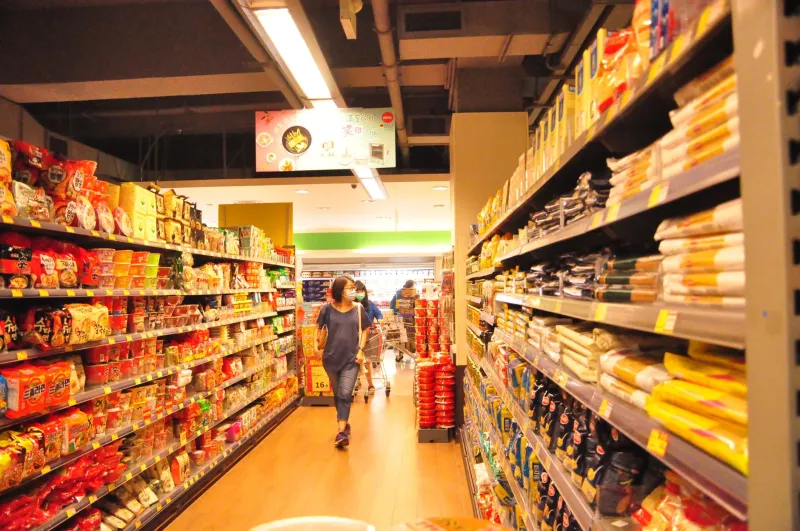
The grocery store was a different animal. At 9:40 p.m., the aisles were half-empty, but the playlist was still bright and steady — mid-tempo pop with a clean beat, the kind of music that could soundtrack a commercial for laundry detergent. Then, at 9:50, something changed. The tempo didn’t slow down so much as flatten out. The songs became older, softer, slightly more adult-contemporary. Think of the radio station your dentist might choose if the dentist were trying to be nice.
The lights did not dim. The refrigerated cases kept humming. A voice came over the speakers every ten minutes with the same scripted reminder, delivered in a tone that was friendly but not especially interested in whether you stayed. The announcement was the main event here. The music was the background, but it was doing a job: keeping the room from feeling too quiet, too late, too empty.
A grocery store at closing is a place of small urgencies. Carts need to be collected. Floors need to be mopped. The last customers are usually people buying milk, ice cream, or something they forgot for tomorrow’s lunch. The exit music says: we are still open, but we are also already thinking about tomorrow. It’s polite pressure, not a warm invitation. The store wants to be remembered as convenient, clean, and on schedule.
The Big-Box Store: A Stadium Fade-Out
The big-box retailer was the strangest of the three. The ceiling was too high, the aisles too wide, and the music too thin. At 9:30, a generic adult-pop song echoed through the store like it was being played in a parking garage. At 9:45, the overhead announcement arrived with a volume that made the whole room feel like a stadium. “The store will be closing in fifteen minutes. Please make your final selections and proceed to checkout.”
No one was lingering. A few employees in blue vests had appeared at the ends of aisles, not rushing anyone, exactly, but visible. The lights over the seasonal section clicked off in banks. The music shifted from adult pop to something softer and more anonymous — the kind of song that doesn’t ask to be remembered. It was a master class in scale. The big-box store doesn’t want to be remembered as cozy. It wants to be remembered as vast, orderly, and clear about its hours.
What struck me was how the exit music worked with the architecture. In a small bookstore, a slow song can feel like a hand on your shoulder. In a big-box store, a slow song just feels like more space. The goodbye is less personal because the room itself is less personal. The music fills the gap.
The Little Design Decisions
After three nights, I started keeping notes in my phone. Time of the first musical shift. Genre before and after. Whether the lights dimmed. How often the announcement repeated. Whether the volume went up or down. It’s a small field experiment anyone can run, and it turns an ordinary errand into a tiny study of design.
The most interesting variable was tempo. A slowdown is the most common move — it’s the sonic equivalent of a yawn. But some stores drop the volume instead, letting the hum of the building take over. Others change the genre entirely, swapping bright pop for jazz, or rock for something instrumental. A few just play one unmistakable song, the way a movie theater plays a familiar tune to signal the credits.
All of it is a form of choreography. The store is telling you, without saying it too loudly, what kind of place it thinks it is. A bookstore that fades into folk is saying: stay a while, but not too long. A grocery store that keeps the beat steady is saying: we’re efficient, we’re friendly, we’re already restocking. A big-box store that cuts the lights in banks is saying: the building is bigger than you, and so is the schedule.
The Song Gets the Last Word
We don’t usually think of exit music as a product. It’s not on the shelf. It doesn’t have a price tag. But it’s part of what we take home — a last impression, a small mood, a sense of whether we were welcome or simply processed. The next time you’re in a store near closing, listen for the shift. Notice the tempo. Notice the lights. Notice whether the announcement sounds like a reminder or a release.
The store may be closing, but the song gets the last word. And sometimes that word is softer than you’d expect.