One Object, Ten Minutes: The Museum Lunch Break
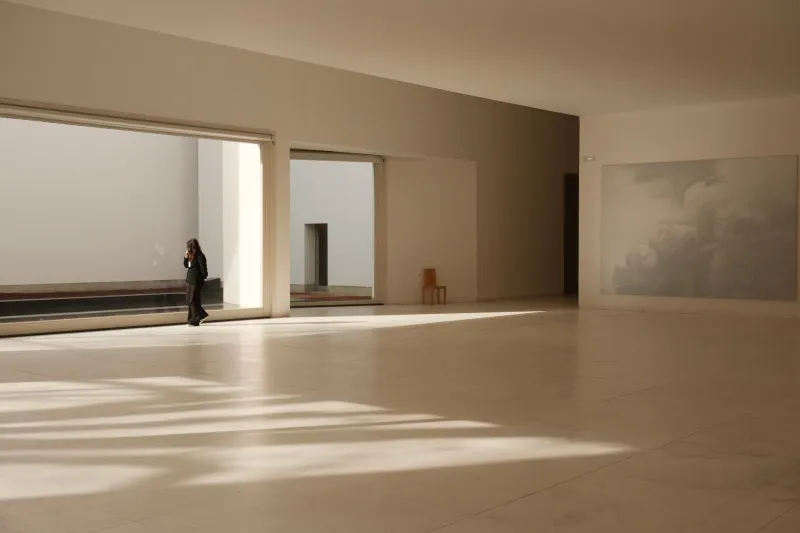
The museum is twenty minutes away. You have an hour for lunch. The math says no. The ten-minute museum lunch break says yes, if you change the assignment.
The usual museum visit is a completionist project. See the special exhibition, hit the permanent collection, check the gift shop, read every wall label, leave tired. That is a fine way to spend a Saturday. It is a terrible way to spend a Tuesday lunch break. The alternative is smaller and stranger: go to a nearby museum or gallery, choose exactly one object, look at it for ten minutes, and leave.
Why One Object
A single object gives the visit a shape. Without a target, you drift. You check your phone. You wander into a room of landscapes and then a room of ceramics and then the coat check. With one object, the museum becomes a destination rather than a chore.
It also lowers the stakes. You are not there to be educated. You are not there to post a photo. You are there to stand in front of something for a few minutes and let your brain stop doing whatever it was doing before lunch.
Pick a Museum You Can Walk To
The experiment only works if the travel is short. A museum that requires a train ride is not a lunch break. It is an outing. Look for a small art museum, a university gallery, a historical society, or a free collection inside a library. Many cities have these within a few blocks of office districts, and they are often quieter than the big-name institutions.
Check the hours before you go. Nothing kills the experiment faster than arriving at a locked door. If admission is free, even better. If it costs money, decide in advance that the cost is for ten minutes, not for a full day. That is a different purchase.
How to Choose the Object
Do not research the collection ahead of time. Research turns the visit into homework. Instead, walk in and let one thing stop you. It might be a painting, a chair, a taxidermied bird, a piece of pottery, a handwritten letter. The rule is simple: choose the first object that makes you pause, then stop looking for a better one.
If nothing stops you, choose the strangest thing in the room. Strange is reliable. A tiny portrait with a weird background. A tool you cannot identify. A vase with a crack in it. The object does not have to be important. It just has to be specific.
Resist the Full Tour
This is the hard part. Museums are designed to pull you forward. There is always another room, another wing, another exhibit. The ten-minute lunch break asks you to be rude to the building. You are not going to see it all. You are not going to learn the full story. You are going to look at one thing and leave.
That resistance is the point. A full tour teaches you that culture is a checklist. One object teaches you that attention is a muscle. Ten minutes is enough to notice the brushstrokes, the wear on the edge, the label text, the way the light hits the case. It is also enough to notice when your mind starts to drift. That drift is information.
The Ten-Minute Structure
A simple way to run the visit:
- Two minutes: arrive, put your phone away, find the object.
- Six minutes: look. Start with the obvious details, then find three things you did not notice at first.
- Two minutes: read the label if there is one, then leave before you get pulled into the next room.
Set a timer on silent if you need permission to leave. The timer is not there to rush you. It is there to protect the experiment. Without an exit time, a ten-minute visit becomes a forty-minute guilt spiral about all the art you are not seeing.
What It Does to the Afternoon
The effect is not dramatic. You will not return to your desk transformed. But something small shifts. The break becomes a real break instead of a scroll. You have been somewhere. You have looked at something closely. Your brain has a new image in it.
There is also a pleasant absurdity to the whole thing. You leave a museum after ten minutes like a person who has finished a task. The guard does not care. The building does not care. But you know you did the thing you said you would do, which is more than most lunch breaks can claim.
A Few Practical Notes
Wear the shoes you already have on. Do not bring a bag if you can avoid it, because coat check lines eat the ten minutes. Check whether the museum has a suggested donation and decide before you arrive. If you work from home, pick a gallery within a fifteen-minute walk and treat the walk as part of the break.
And if you miss the object, or the museum is closed, or the line is too long, let it go. The experiment is repeatable. There is always another lunch break.