The Cold-Open Movie Night: Why Less Preview Made Me Like Movies Again
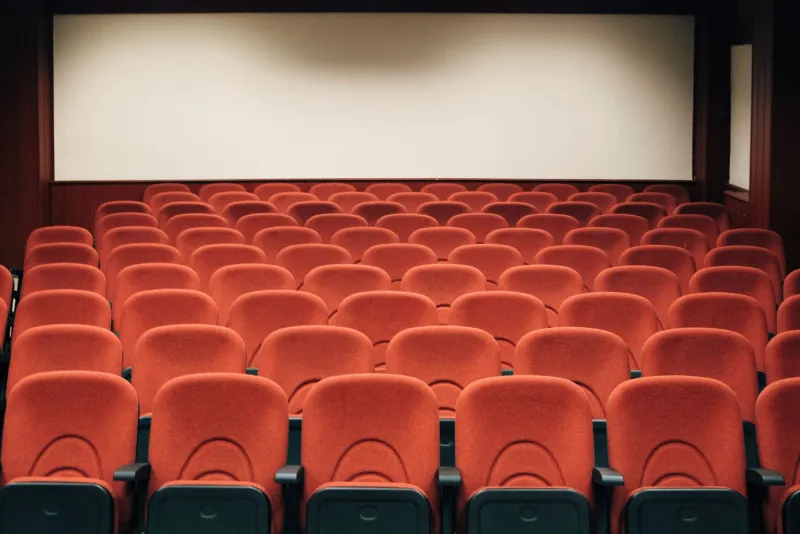
There is a specific disappointment that arrives before a movie begins. You have your ticket, your seat, maybe a box of Junior Mints. Then the second trailer for the very film you are about to watch unspools and hands over the third-act argument, the big chase, and the line that will be memed by Monday. The movie has not started, but the surprise has already left the room.
This is not an argument against trailers. A good teaser can be its own small pleasure, a short, moody promise that makes the next two hours feel possible. But somewhere between the first look and the final push, movie marketing stopped being an invitation and became a briefing. For a US audience with theaters, streaming queues, and autoplay previews everywhere, the result is a strange kind of fatigue: we are both overinformed and underwhelmed.
I started calling my fix a trailer diet. It is less about deprivation than portion control. The rules are simple enough to keep without a spreadsheet.
The preview problem is pre-chewing
Trailers are built to sell. That is not a crime. The problem is that the later ones are often built to explain. The first teaser usually promises mood. The second trailer often delivers the map: here is the plot, here is the villain, here is the emotional beat at minute 94. For certain comedies, it also spends the best joke.
The issue is not that spoilers ruin every film. Plenty of great movies survive knowing the ending. The issue is that too much preview narrows the experience. You stop wondering and start checking boxes. You notice the set piece from the trailer instead of being inside the scene. The movie becomes a delivery system for moments you have already seen in a smaller window.
That is why going in colder is not about being precious. It is about restoring a little friction. A little not-knowing. In 2026, when every streaming service autoplays a preview the moment you pause, that friction has to be chosen.
A smaller set of rules
My trailer diet has three parts. First, watch one teaser. One. If a film catches my attention, I will watch the initial teaser once, ideally on a laptop or TV where I chose to press play. I am looking for tone, director, cast, and a reason to care. I am not looking for a synopsis.
Second, skip the second trailer. This is the hard one, because the second trailer is usually the most persuasive. It is also the most giving. If I have already watched a teaser, I do not need the later, longer preview. If I have not watched a teaser, I can still choose the shorter, earlier piece and leave the rest alone.
Third, use the 30-second mute rule. This applies to autoplay previews, streaming-service carousels, and the little video windows that bloom on news sites. When a trailer starts without my permission, I keep it muted for 30 seconds. Usually, that is enough time to decide whether I actually want to watch it. If I do, I unmute and pay attention. If I do not, I scroll on. The mute rule turns a passive ambush into a small, deliberate choice.
In a theater, the rules shift a little. You cannot skip the preshow. But you can decide not to seek out later trailers online, and you can resist the urge to read the full plot summary before opening weekend. You can also choose a theater that runs fewer ads, or simply arrive a few minutes after the published showtime and settle in with the lights still low. The point is not to be rigid. The point is to keep one pocket of the experience unknown.
What going in cold actually feels like
The first change is attention. When I have not seen every set piece, I lean forward more. My brain is not filing each scene under 'already seen'. A quiet dialogue scene can be suspenseful because I do not know which line will become the trailer's punchline.
The second change is memory. Movies I go into cold tend to stay with me longer. I remember how a scene made me feel rather than how it compared to the preview. That sounds precious, but it is practical. I am paying for an experience, not a recap.
The third change is conversation. After a colder viewing, my friends and I have more to talk about. We are not comparing the film to a trailer we all watched fifteen times. We are piecing it together. That is a better night out, and a better night in.
A one-month trial
You do not need to swear off trailers forever. Try the diet for one month. Pick five films you are curious about. Watch at most one teaser for each. Skip the second trailer. Apply the mute rule whenever a preview starts on its own. For theater nights, buy your ticket and then stop reading about the movie until showtime.
Keep a note on your phone about which nights felt different. Maybe the comedy was funnier because the best jokes were still in the film. Maybe the thriller was tenser because you did not know the twist. Maybe nothing changes, and you go back to your old habits. That is fine. A diet is only useful if it fits your life.
The goal is not to know less for the sake of it. The goal is to let a movie do its job. In 2026, that might mean protecting one small corner of the calendar from the marketing machine. One teaser. No second trailer. Thirty seconds of silence. Then, finally, the lights go down and the film gets to introduce itself.