Hold the Frame: Seven Nights of Letting a Movie Wait

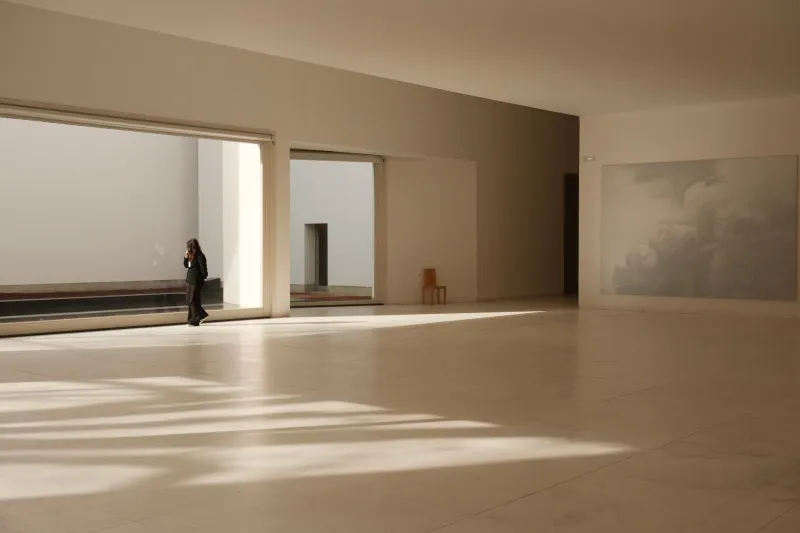
Photo by Photo by Joao Macedo on Unsplash on Unsplash
The experiment began with a bad habit and a good remote. Like plenty of people, I had turned pausing into a form of multitasking: freeze the movie, check a message, refill a glass, come back, rewind ten seconds, pretend I had not missed anything. This time the rule was different. I could pause, but I could not skip. I had to leave the frame up, let the movie wait, and pay attention to what the waiting revealed. One deliberate pause per movie, ideally somewhere in the middle, no phone in hand. Seven nights. Seven small interruptions. The point was not to ruin the story. It was to see the story as a made thing.
A Finger on the Remote, Not a Fast-Forward Button
The first night, I paused during a quiet conversation in a kitchen. Nothing dramatic was happening. Two characters were talking past each other, and the camera sat still enough that I could see the dishes in the sink, the chipped paint on a doorframe, the way one actor held a coffee mug without drinking from it. On a normal night, that image would have moved past me in four seconds. Frozen, it became a small exhibit. The pause button had turned a background into a set.
That was the first surprise: a movie does not stop being a movie when you stop it. It becomes something closer to a photograph with a plot attached. You notice the lighting choices, the extras in the background, the color of the wallpaper. You notice how much of a performance is happening in the hands. A scene that felt ordinary in motion looked carefully built when held still. Not every frame is a masterpiece, but most frames are doing more work than we give them credit for.
What a Frozen Frame Can Show You
By the third night, I started watching for the pause itself. Not the perfect moment, but the ordinary one. A character walking down a hallway. A car idling at a stoplight. A diner scene where nobody is saying anything important. Those were the frames that gave the most away. In motion, they are connective tissue. Frozen, they show the seams: the way a room is arranged to guide your eye, the way a costume tells you who has money and who does not, the way a director uses empty space to make a conversation feel tense.
The pause also changed how I heard movies. With the image stopped, the sound kept going for a second or two before I muted it. That gap was strangely useful. A room tone, a distant siren, the clink of silverware, a refrigerator hum: these are the things that make a scene feel lived in. We usually call that atmosphere and move on. Pausing made it feel like a decision.
The Room Joins the Scene
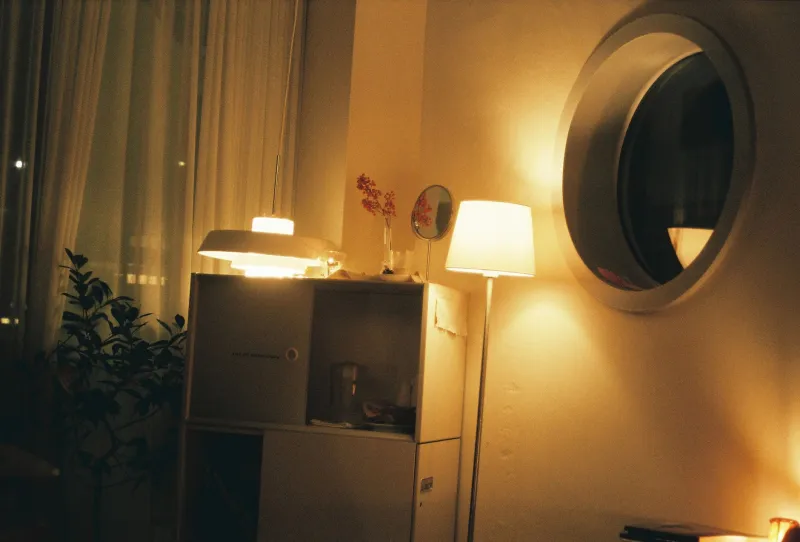
Here is the part I did not expect. The pause does not just freeze the movie. It freezes you, too. The living room comes back into focus. The lamp in the corner. The snack you were reaching for. The blanket bunched at the end of the couch. The progress bar glowing at the bottom of the screen like a small clock. For a few seconds, the movie and the room are in the same frame, and the room is not winning.
That sounds like a complaint. It is not. There is something honest about it. A movie theater asks you to forget where you are. A living room never quite lets you. The pause button is a reminder that home viewing is a collaboration between the story and the space around it. The story waits. The radiator ticks. The dog shifts on the rug. Then you press play and the movie takes over again.
The Pause Button as a Design Feature
In 2026, most of us watch movies through apps that treat the pause button like a utility drawer. It is there, but it is not designed to be noticed. The progress bar tells you how much time is left. The thumbnail previews what is coming. The next episode button is always ready. Pausing is framed as an interruption, a way to leave the movie behind for a minute.
But the pause button is also a viewing tool. It lets you look at a frame the way you might look at a painting in a hallway. It lets a performance sit for a moment before the next line lands. It lets you catch the joke in the background, the extra who is clearly having a great time, the set decoration that explains a character better than the dialogue does. Streaming interfaces could do more with that idea, but they do not have to. You can do it yourself with the remote you already own.
When the Pause Backfires
The experiment was not all quiet revelation. On the fifth night, I paused during a tense scene and immediately regretted it. The frame was not interesting. It was just a man looking worried in a dim room. The pause drained the momentum and made the next few seconds feel self-conscious. I had interrupted a story to admire a frame that did not deserve admiration. The lesson was not that pausing is always good. The lesson was that pausing is a choice, and choices have timing.
By the end of the week, I had settled into a smaller version of the habit. I paused once, maybe twice, and only when the frame seemed to be asking for it. I did not turn every movie into a lecture. I did not pretend that a frozen image is always better than a moving one. I just gave the movie a chance to wait, and gave myself a chance to notice what was already there.
Seven Nights Later
The remote still sits on the arm of the couch. That part has not changed. What changed is the reason it is there. It is not a tool for escaping a scene. It is a small, underrated scene partner. It lets the story hold still for a second, long enough for the room and the frame to share the same air. At Neqol, we like that kind of quiet design: the feature you do not notice until you use it on purpose. A week of pausing did not make movies feel slower. It made them feel closer.